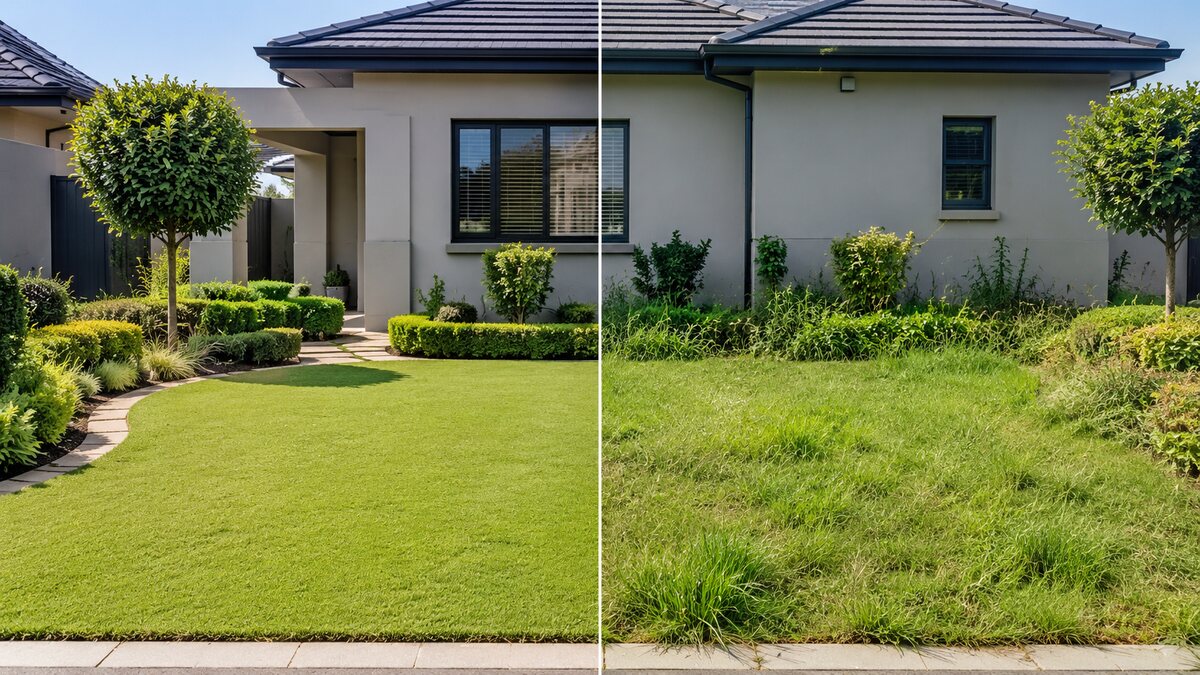
A garden can look neat immediately after a service, but the real test is how well it holds its appearance before the next visit. Choosing between bi-weekly and monthly garden maintenance is therefore not only a budgeting decision—it affects lawn health, weed control, curb appeal and the amount of work needed at every service.
For most South African properties, the right schedule depends on the season, garden size, grass type, plant growth, irrigation and the standard of appearance you expect. A small low-maintenance garden may cope well with a monthly visit during slow growth, while an actively growing lawn in Gauteng’s rainy season can become untidy long before four weeks have passed.
Here is a practical comparison to help you select the service frequency that gives your property the best balance of presentation, plant care and value.
What Does Bi-weekly Garden Maintenance Mean?
Bi-weekly maintenance generally means one scheduled visit approximately every two weeks. This gives the garden regular attention without requiring a weekly service.
A typical maintenance visit may include lawn mowing, edge trimming, light pruning, leaf and debris removal, weeding, bed tidying and cleaning of garden walkways. The exact work depends on the agreed service scope and the condition of the property.
Because the time between visits is shorter, growth is managed before it becomes excessive. Grass can be cut at a healthier height, weeds are less likely to establish deep roots and shrubs can be shaped with smaller corrective cuts instead of aggressive pruning.
What Does Monthly Garden Maintenance Mean?
Monthly maintenance means one scheduled visit every four weeks or once per calendar month. This can work well for compact gardens, low-growth landscapes, properties with limited lawn areas or gardens that receive basic attention from the owner between professional visits.
Monthly service is also useful during slower winter growth in many inland areas. However, it can become less effective during warm, rainy periods when lawns, weeds and shrubs grow rapidly. By the time the team returns, a larger amount of cutting, clearing and shaping may be required.
Bi-weekly vs Monthly: The Practical Difference
| Maintenance factor | Bi-weekly service | Monthly service |
|---|---|---|
| Lawn appearance | More consistently neat and evenly maintained | May look overgrown before the next visit during active growth |
| Weed control | Problems are identified and managed earlier | Weeds have more time to mature and spread |
| Pruning | Allows lighter, more regular shaping | May require heavier corrective cutting |
| Garden debris | Leaves and clippings are cleared more frequently | Debris can accumulate between visits |
| Best suited to | Active gardens, visible properties and faster-growing lawns | Smaller, low-maintenance or slow-growing gardens |
When Bi-weekly Maintenance Is the Better Choice
A bi-weekly schedule is normally the stronger option when a property must stay presentable throughout the month. It is particularly suitable for homes on busy streets, rental properties, complexes, offices and properties being prepared for sale.
Consider bi-weekly maintenance if your garden has:
- A lawn that grows quickly in warm or rainy weather
- Formal edges, shaped shrubs or detailed flower beds
- Large trees that regularly drop leaves or small branches
- Irrigation that supports continuous plant growth
- A high standard of curb appeal that must be maintained
- Limited time for the owner to work in the garden between visits
Regular visits also make it easier to spot early warning signs such as blocked irrigation heads, pest activity, plant stress or areas where water is being wasted. Small issues can then be reported before they become expensive garden problems.
When Monthly Maintenance Can Be Enough
Monthly maintenance may be sufficient where the garden has been deliberately designed for lower upkeep. This could include smaller lawn areas, hardy indigenous plants, mulched beds, limited formal hedging and an efficient irrigation layout.
It can also be a sensible winter arrangement in parts of Gauteng and the Highveld where grass growth slows significantly. The property owner may still need to remove obvious litter, water plants correctly and deal with urgent issues between professional visits.
Monthly service is less suitable when the garden is already overgrown. In that situation, an initial clean-up and corrective service should normally be completed before moving onto a routine maintenance plan.
Your Schedule Should Change With the Seasons
Garden growth is not consistent throughout the year. In Gauteng, warm summer temperatures and rainfall can accelerate lawn, weed and shrub growth, making bi-weekly visits far more effective. During cold, dry winter periods, some properties can temporarily move to a monthly schedule without losing control of the garden.
Coastal and subtropical areas may experience longer growing seasons and may need more frequent service. The best maintenance plan is therefore flexible rather than based on a single frequency for every property and every season.
Which Option Gives Better Value?
Monthly maintenance has a lower visit frequency, but it is not automatically the most cost-effective option. If every visit becomes a major recovery job, more time may be spent cutting back excessive growth, removing weeds and clearing accumulated debris.
Bi-weekly maintenance spreads the work across the month and helps keep the garden under control. It usually delivers a more consistent appearance and reduces the risk of small problems turning into costly restoration work.
The best value comes from matching the schedule to the actual needs of the property—not simply choosing the cheapest visit frequency.
Choose a Maintenance Plan That Fits Your Garden
If you want your garden to remain neat throughout the growing season, bi-weekly maintenance is generally the safer choice. If your property is compact, water-wise and slow-growing, monthly maintenance may be enough, particularly during winter.
Sola Gratia Garden Services can assess your garden and recommend a practical maintenance frequency based on its size, condition, season and level of upkeep required.
Contact Sola Gratia Garden Services or complete our Quote Request Form to arrange a maintenance plan for your property.